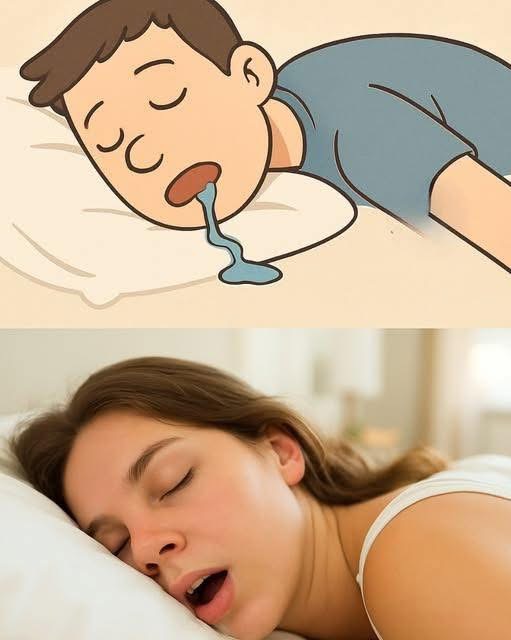
Waking up to find a damp spot on the pillow is a surprisingly common experience. Although it can feel embarrassing, occasional drooling during sleep is usually a normal part of the body’s nighttime processes. As we enter deeper stages of sleep, particularly during restorative sleep cycles, the muscles throughout the body become more relaxed. This includes the muscles around the jaw and mouth, which can allow the lips to part slightly and make it easier for saliva to escape rather than be swallowed.
Sleeping posture is one of the biggest factors influencing nighttime drooling. Individuals who sleep on their side or stomach are generally more likely to experience it because gravity encourages saliva to move outward from the mouth. In contrast, sleeping on the back often helps saliva remain in the mouth and be swallowed naturally. For many people, a simple change in sleeping position can noticeably reduce the frequency of drooling.
Temporary health conditions can also contribute to the issue. Nasal congestion caused by seasonal allergies, colds, or sinus irritation often forces people to breathe through their mouths while sleeping. This increased mouth breathing may make drooling more likely. Additionally, maintaining good oral hygiene and addressing dental concerns can support overall comfort and reduce factors that may contribute to excess saliva during the night.
While occasional drooling is typically harmless, persistent or unusually heavy drooling may sometimes warrant further attention. In certain cases, it can be associated with sleep-related breathing difficulties, digestive conditions, or other factors that affect swallowing and saliva control. Anyone who experiences frequent drooling alongside symptoms such as disrupted sleep, loud snoring, or difficulty breathing should consider consulting a healthcare professional. For most people, however, occasional drooling is simply a natural part of sleep and can often be managed with small lifestyle adjustments.