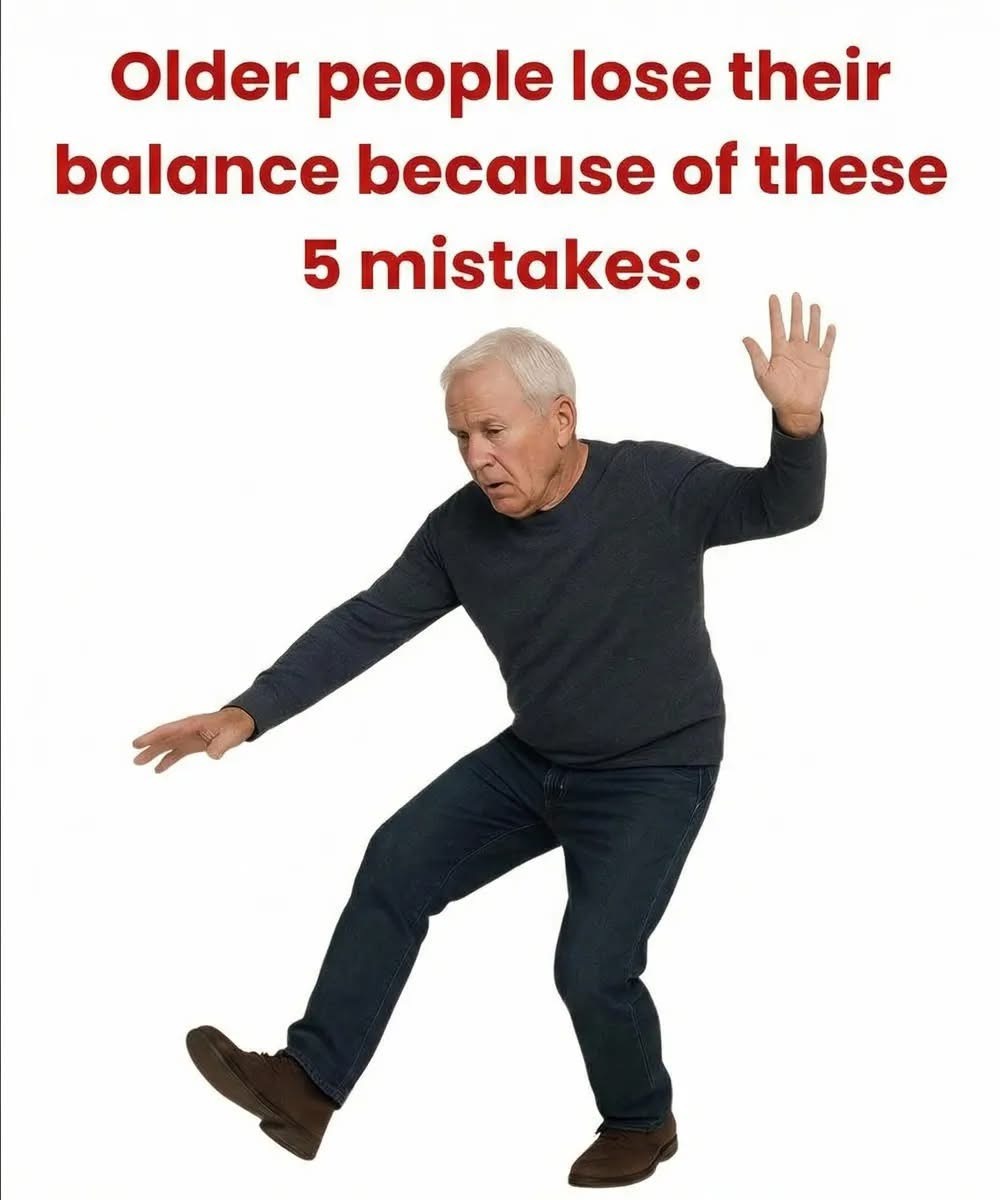
Many people notice changes in balance so gradually that they assume feeling unsteady is simply part of getting older. Small moments like needing extra support on stairs, feeling uncertain on uneven ground, or worrying about slipping can slowly affect confidence in daily movement. While age can influence coordination and strength, balance problems are often connected to everyday habits that develop over time. The encouraging part is that simple lifestyle adjustments can help improve stability, strengthen movement, and reduce the likelihood of falls without requiring extreme changes or intense routines.
One of the biggest factors affecting balance is reduced physical activity. Long periods of sitting or avoiding movement can weaken important muscle groups in the legs, back, and core that help keep the body steady. Gentle forms of exercise such as walking, stretching, yoga, tai chi, or light strength training can gradually improve coordination and body awareness. Consistency matters more than intensity. Supportive footwear also makes a noticeable difference, as shoes with stable soles and proper fit help create safer movement both indoors and outside.
Nutrition and hydration play a larger role in balance than many people realize. Dehydration, skipped meals, or poor nutrition may contribute to dizziness, weakness, or fatigue that affects coordination throughout the day. Drinking enough water and eating balanced meals with protein, fruits, vegetables, and whole grains helps support muscle function and energy levels. Sensory health is equally important because vision and hearing help the brain understand body position and movement. Regular eye exams, updated glasses, and hearing support when needed can improve confidence and awareness during everyday activities.
Creating a safer home environment is another practical step toward improving stability. Loose rugs, cluttered walkways, dim lighting, and unstable furniture can increase the risk of tripping or losing balance unexpectedly. Small adjustments such as improving lighting, clearing pathways, installing grab bars, and securing slippery surfaces can make daily movement feel safer and more comfortable. Supporting balance is rarely about dramatic transformations; it is usually the result of small, steady habits that strengthen confidence and help people move through life more securely one step at a time.