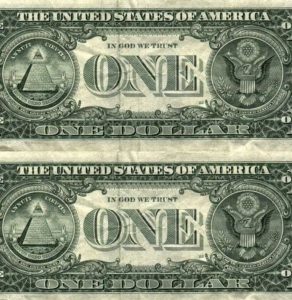
It’s easy to overlook the fine print on everyday bills, yet those small serial numbers can be surprisingly meaningful to collectors. In the niche world of currency collecting, certain number patterns are prized for their rarity and visual symmetry. What appears to be an ordinary note can stand out because of a distinctive sequence, making it more interesting—and sometimes more valuable—than its face value suggests.
A simple way to explore this is to check your bills methodically. Turn the note over and scan the serial number for recognizable patterns. Sequences like repeating digits (e.g., 7777777), mirrored “radar” numbers (e.g., 1234321), or structured pairs can be appealing to enthusiasts. You don’t need specialized knowledge—just a careful look and a bit of patience to notice combinations that differ from typical random strings.
If you find something unusual, the next step is to evaluate its potential appeal. Collectors often buy and sell distinctive notes through hobby marketplaces and forums, where demand varies based on pattern type and overall condition. Bills that are clean and well-preserved generally attract more interest. While not every pattern translates into a premium price, some combinations are consistently sought after.
Building this habit into your routine can be both practical and enjoyable. When organizing your wallet or counting cash, take a few seconds to review the serial numbers. Most of the time, they’ll be ordinary—but occasionally, you might come across a sequence that stands out. It’s a small, low-effort check that can add a bit of discovery to something you handle every day.