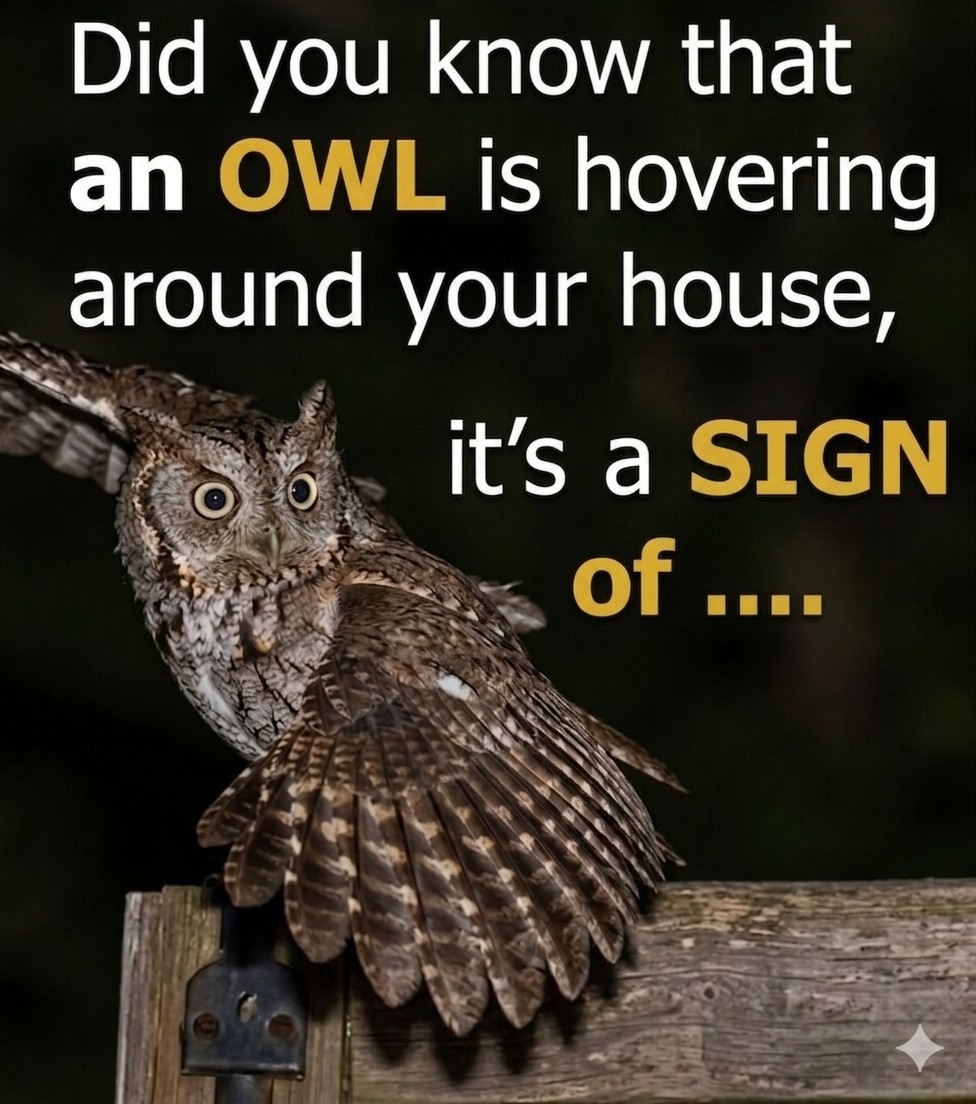
When evening settles and the world grows quiet, owls begin their routine. These birds are built for low light, navigating the night with a calm, efficient presence. Rather than relying on daylight, they use finely tuned senses to move and hunt with precision. What may seem mysterious at first glance is simply a set of natural adaptations that allow them to operate where many other animals cannot.
One of their most notable advantages is nearly silent flight. The edges of their feathers are structured to break up airflow, reducing the noise typically produced by flapping wings. This design lets them glide through the air with minimal sound, giving them an edge when approaching prey. Their muted coloration also helps them blend into tree bark and shadows, making them difficult to spot even at close range.
Owls also rely on exceptional vision and hearing. Their large eyes are adapted to gather available light, improving visibility in dim conditions. At the same time, their hearing is highly precise, enabling them to locate subtle movements on the ground. By combining these senses, they can detect and track prey even when visibility is limited, ensuring efficient movement through their environment.
Beyond their physical abilities, owls hold a place in many cultural traditions. They are often linked to observation and awareness, reflecting their attentive behavior. Whether viewed as symbols or simply appreciated for their role in nature, they highlight how active and balanced ecosystems remain—even after dark.