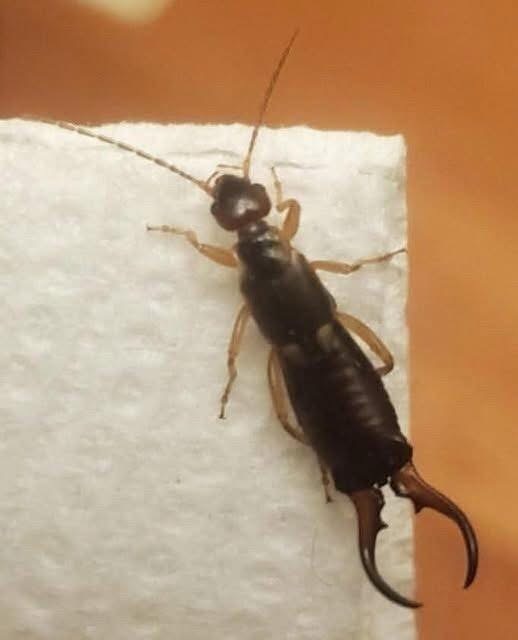
They’re often noticed after dark—small, quick-moving insects that slip along baseboards, bathrooms, and kitchen edges. Seeing one can prompt a reasonable question about how many more might be nearby. While their appearance can be unsettling, earwigs are generally harmless indoors and don’t pose a direct risk. What they do indicate, however, is worth paying attention to.
In most cases, earwigs are drawn to moisture. Damp, cool environments—such as areas around sinks, showers, basements, or poorly ventilated corners—create ideal conditions for them. Addressing this starts with moisture control: fix minor leaks, wipe down wet surfaces, and use exhaust fans or open windows to improve airflow where possible.
Next, limit how they get inside. Check for small gaps around doors, windows, and the foundation, and seal them with appropriate materials. Simple steps like installing door sweeps, repairing screens, and closing cracks can significantly reduce entry. Keeping the perimeter of your home tidy also helps—remove leaf piles, excess mulch, or stacked wood that can act as outdoor shelters.
If you’re seeing more than an occasional visitor, low-impact methods can help manage numbers. Sticky traps, reducing outdoor lighting near entry points, and maintaining a dry interior are effective first measures. By removing the conditions that attract them, you address the cause rather than just the symptom—supporting a cleaner, more comfortable home environment.