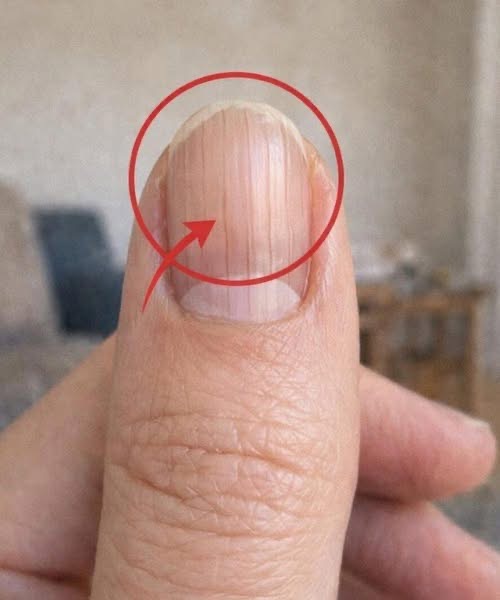
Fingernails are often overlooked, yet they can reflect small changes in how the body is functioning. While popular discussions sometimes exaggerate their significance, there is a scientific basis for observing nail patterns over time. Rather than relying on a single dramatic sign, experts encourage paying attention to gradual changes, which can offer general insights into overall well-being.
One aspect researchers consider is nail growth rate. Nails grow as new cells are produced, so their speed can loosely reflect how efficiently the body renews itself. It’s normal for growth to slow gradually with age, particularly after early adulthood. While this does not predict lifespan, it can provide a broad indication of how the body’s natural processes evolve over time.
Beyond growth, visible nail features can also be informative. Variations in color, texture, or shape sometimes relate to common conditions. For example, ridges may appear with aging, yellowing can be linked to external factors or infections, and small dents in the nail surface are occasionally associated with skin conditions. In many cases, these changes are harmless and influenced by daily habits, environment, or minor injuries.
The key is to look for consistent or persistent patterns rather than isolated differences. Factors such as nutrition, hydration, and stress can all affect nail appearance. If a noticeable change continues or is accompanied by other symptoms, seeking professional advice is a sensible step. Overall, nails do not provide definitive answers, but they can serve as one of many subtle signals the body uses to reflect its current state.