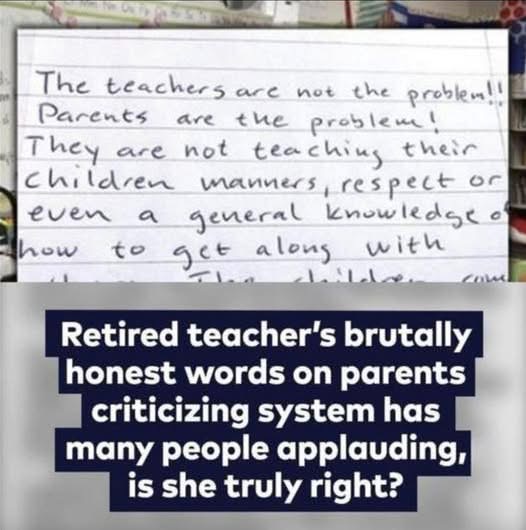

Public education has long been a topic that sparks strong opinions, from policymakers to everyday conversations in communities. While reforms, funding, and teaching strategies often dominate the discussion, one essential factor is sometimes overlooked: the role of the home environment. Drawing from years of classroom experience, many educators emphasize that learning does not begin or end at school—it is deeply influenced by what happens at home. Understanding this connection is the first step toward building a stronger, more balanced education system.
A practical way to approach this is by recognizing education as a shared responsibility. Teachers provide structure, guidance, and knowledge, but students arrive in the classroom shaped by their daily routines, habits, and values. When families encourage curiosity, reinforce respect, and support consistent study habits, children are better prepared to engage and succeed. Small actions—like setting a regular homework time, maintaining communication with teachers, and showing interest in school activities—can make a measurable difference in a child’s development.
Another important aspect is preparation. Beyond academic readiness, students benefit from basic organizational skills and social awareness. Arriving at school with the necessary materials, understanding classroom expectations, and being able to cooperate with others all contribute to a more productive learning environment. When these foundations are supported at home, teachers can focus more on instruction rather than addressing avoidable disruptions, creating a more effective experience for everyone involved.
Ultimately, improving education outcomes requires a balanced partnership between families and schools. Instead of viewing challenges as belonging to one side, it is more productive to see them as shared opportunities for growth. By strengthening communication, encouraging consistent involvement, and prioritizing both academic and personal development, families and educators together can create a supportive path forward. In this way, meaningful progress begins not only in classrooms, but also in the everyday moments that shape a child’s readiness to learn.