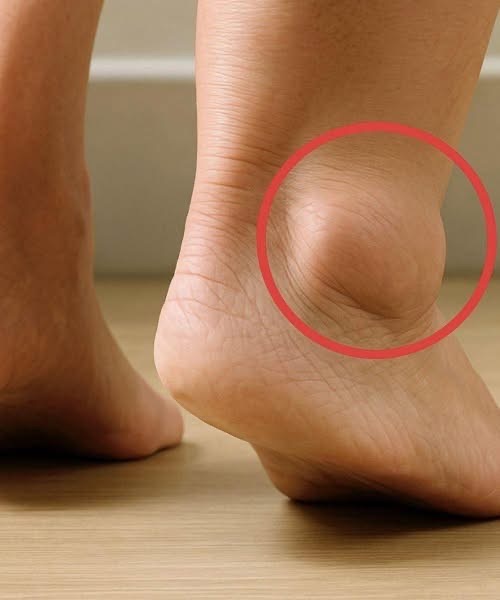
Swelling in the feet is a common experience for many older adults, especially after long periods of sitting or standing. While occasional puffiness can be temporary and harmless, recurring or persistent swelling deserves closer attention. Understanding why it happens and how to manage it can help support mobility, comfort, and overall well-being as part of a healthy aging routine.
This type of swelling, often referred to as fluid buildup in the lower limbs, occurs when excess fluid collects in the tissues of the feet and ankles. With age, circulation may become less efficient, which can make it easier for fluid to accumulate. When blood flow slows or the body struggles to return fluids upward, visible swelling and a feeling of heaviness may develop, particularly toward the end of the day.
Several everyday factors can contribute to this condition. Remaining in one position for extended periods—whether sitting or standing—can affect circulation. Some individuals may also experience changes related to how the veins function, making it harder for blood to move efficiently. In addition, certain medications and dietary habits, such as high sodium intake, may influence fluid balance. Recognizing these influences can help guide better daily choices.
Fortunately, simple adjustments can make a meaningful difference. Regular movement throughout the day encourages better circulation, while elevating the feet when resting can help reduce fluid buildup. Wearing comfortable, supportive footwear and, when appropriate, compression socks may also provide relief. Maintaining a balanced diet with mindful salt intake further supports the body’s natural equilibrium. By incorporating these practical habits, it becomes easier to promote comfort and maintain an active, healthy lifestyle over time.