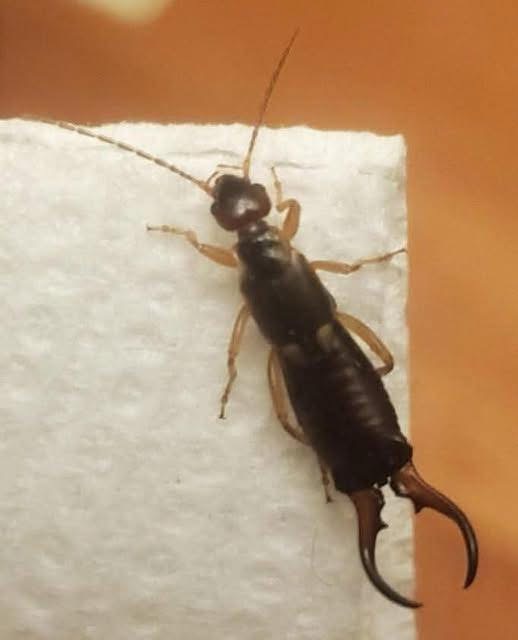
You might first notice them at night—small, quick-moving insects appearing in bathrooms, kitchens, or near doors and windows. Seeing one can raise questions about how many more might be nearby. The key is not to panic, but to observe patterns. Indoor sightings often point to specific conditions that make your space more inviting, especially areas that stay cool and damp.
The most common factor behind these visits is moisture. The earwig is naturally attracted to humid environments where it can find shelter. Start by addressing the source: fix small leaks, dry wet surfaces, and improve ventilation in spaces like bathrooms, basements, or laundry areas. Reducing humidity removes one of the main reasons they come indoors.
Next, limit access. Check for gaps around windows, doors, and foundations, and seal them with appropriate materials. Even small openings can serve as entry points. Outside the home, clear away organic debris such as leaf piles, mulch, or stacked wood placed close to walls. These areas create ideal hiding spots and can draw insects closer to your home’s perimeter.
If you continue to notice activity, use simple, non-invasive methods to manage it. Traps or natural deterrents can help lower numbers while you address the underlying conditions. The most effective strategy is consistent prevention—once you remove the moisture and access points, you reduce the likelihood of repeat visits and keep your home more comfortable overall.