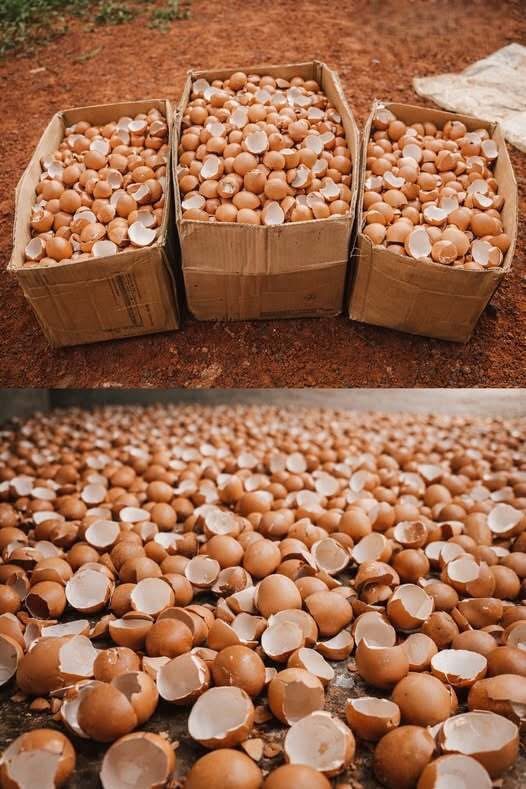
Eggs are a staple in most kitchens, valued for their versatility and nutrition. What often goes unnoticed, however, is the potential of what’s left behind. The shell of an egg is commonly discarded, yet it can serve as a practical, eco-friendly resource in everyday gardening. With a shift toward more sustainable habits, reusing simple materials like eggshells is an easy way to reduce waste while supporting healthier outdoor spaces.
One of the simplest applications is pest control. When crushed into small, jagged pieces and spread around plants, eggshells create a rough surface that discourages soft-bodied pests such as slugs and snails. This method offers a chemical-free alternative to traditional treatments, helping protect plants without affecting beneficial insects. While not a complete solution on its own, it can be a helpful addition to a broader, natural garden care routine.
Eggshells also contribute to soil health over time. Rich in calcium carbonate, they gradually break down and release minerals that support plant structure and root development. This slow-release process is especially useful for crops that benefit from steady calcium availability. Additionally, eggshells can help moderate soil acidity, creating a more balanced environment where plants can absorb nutrients more effectively.
To make the most of this resource, rinse and dry the shells, then crush them before adding them to soil or compost. You can mix them into planting beds, sprinkle them around seedlings, or include them in compost piles to enrich the final material. These small steps turn everyday waste into a functional tool, showing how simple choices in the kitchen can translate into meaningful benefits in the garden.