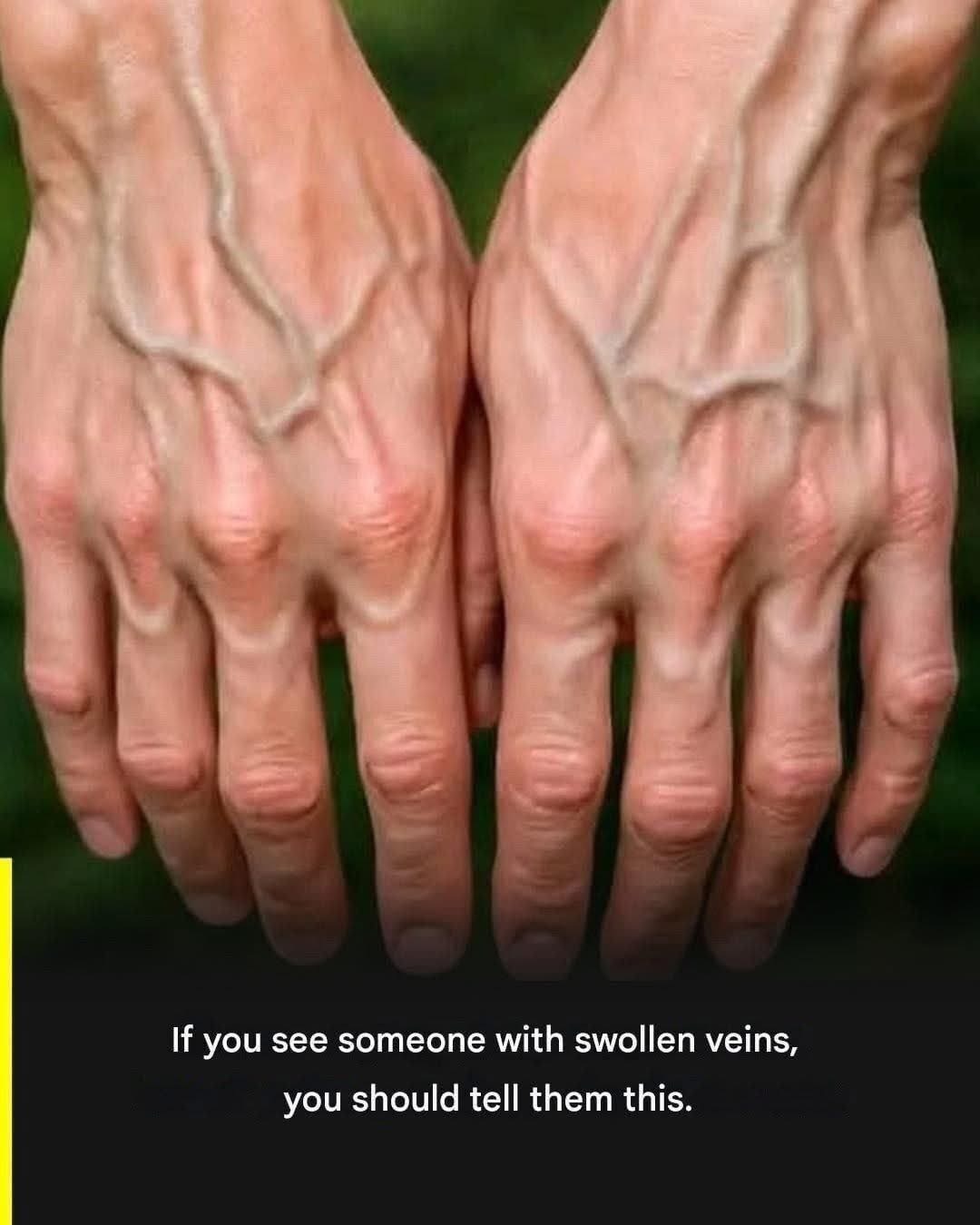
Noticing veins that appear more defined on your hands, arms, or legs can be surprising, but it doesn’t automatically signal a problem. The body’s circulatory network constantly adapts to factors like temperature, hydration, activity, and skin composition. The first step is to observe context: when the veins appear, whether they change throughout the day, and if any discomfort is present. In many situations, visible veins reflect normal physiological responses rather than underlying concerns.
Understanding why veins stand out helps reduce unnecessary worry. Veins carry blood back to the heart and rely on muscle movement and one-way valves to maintain flow. When circulation increases—such as during exercise—or when blood vessels expand due to heat, veins can temporarily become more noticeable. Body composition also plays a role: individuals with lower body fat or thinner skin may naturally have more visible veins. Age and genetics can further influence how prominent veins appear over time.
There are also routine factors to consider. Dehydration can make veins look more pronounced, as can prolonged sitting or standing, which slows blood return. Hormonal shifts and daily activity levels may subtly affect circulation as well. A practical approach is to support vascular health through consistent habits: stay well hydrated, incorporate regular movement, avoid long periods of immobility, and elevate the legs when needed. These steps help maintain efficient blood flow and reduce unnecessary pressure within the veins.
While most cases are harmless, certain signs should not be overlooked. Persistent swelling, pain, warmth, or noticeable changes in skin color around a vein may indicate that a professional evaluation is appropriate. Sudden differences between limbs or discomfort that doesn’t improve with rest also deserve attention. The goal is balanced awareness—recognizing that visible veins are often normal, while staying attentive to changes that may require guidance from a qualified healthcare provider.