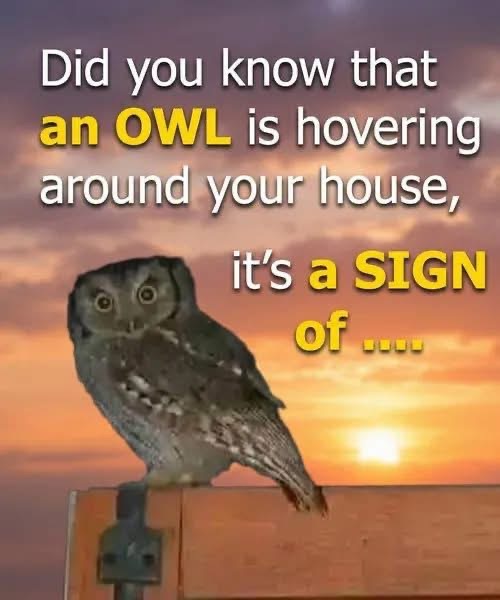
Under the cover of darkness, few creatures move with the quiet precision of an owl. These nocturnal birds glide through the night air with barely a whisper, their wide wings and soft feathers allowing them to hunt without drawing attention. Their calm, focused presence has fascinated people for generations, blending natural beauty with an almost mysterious aura that makes every sighting feel special.
Owls are more than just symbols of the night—they are highly specialized hunters. Their eyes are adapted to gather even the faintest light, helping them detect movement when visibility is low. Just as impressive is their hearing. With uniquely positioned ears, many owl species can locate prey using sound alone, identifying even the smallest movements hidden beneath leaves or snow. This combination of vision and hearing gives them a clear advantage in their environment.
Another defining feature of owls is their silent flight. The structure of their feathers reduces air resistance and muffles sound, allowing them to approach prey unnoticed. Once within reach, their sharp talons and strong beaks enable them to capture and secure food quickly and efficiently. These abilities make owls important contributors to natural balance, as they help regulate populations of small animals and insects.
Beyond their physical traits, owls have long held a place in human culture. Often associated with wisdom and awareness, they remind us of the value of patience and observation. Whether appreciated for their ecological role or their symbolic meaning, owls represent a unique blend of strength and subtlety. Their quiet presence continues to inspire curiosity and respect wherever they are found.