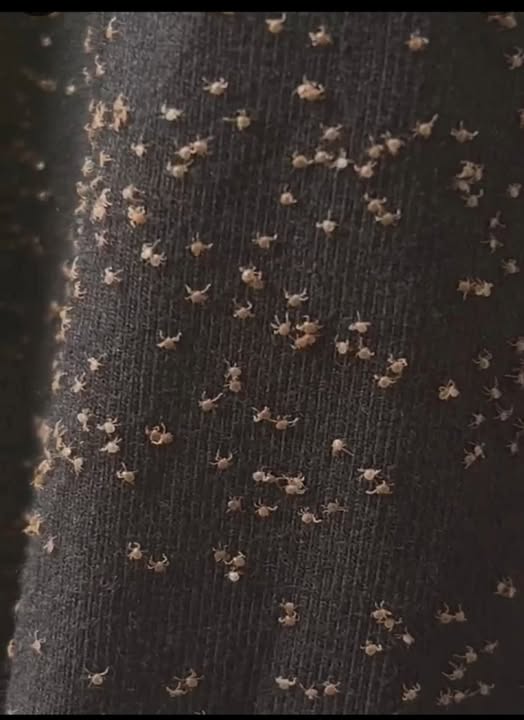
A peaceful walk through a park or along a trail can sometimes end with an unexpected detail—tiny, stubborn bits clinging to your clothing. While they may seem random or puzzling at first glance, these little attachments are actually part of a natural process. What you’re seeing is a simple yet fascinating example of how plants interact with their environment to survive and spread.
In most situations, these clingy particles are seeds, often referred to as burrs or stickseeds. Certain plants have developed a smart way to disperse their seeds by attaching them to animals or people passing by. As you move through grass, fields, or wooded areas, your clothing brushes against these plants, allowing the seeds to latch on and travel with you to new locations.
The reason they stick so effectively lies in their structure. Many of these seeds are equipped with microscopic hooks, barbs, or fine hair-like fibers that easily grip onto fabric. This mechanism works in a way similar to Velcro, ensuring the seeds remain attached long enough to be carried away from the parent plant. This natural adaptation increases the chances of the seeds landing in a new environment where they can grow.
You’ll commonly encounter these seeds along trails, in tall grass, or near forest edges, with plants like burdock, goosegrass, or sandbur being frequent culprits. To remove them, simple tools like a lint roller, adhesive tape, or even a fine comb can be effective. It’s best to clean them off outdoors to avoid spreading them indoors, and washing your clothes afterward helps eliminate any remaining traces. Taking a moment to check pets as well ensures a cleaner return home—another small reminder of how nature quietly travels with us.