When a bedroom feels warm and heavy, getting comfortable at night can become a challenge. Restlessness, overheating, and constant repositioning often make it difficult to fall asleep. While air conditioning can help, there are practical, low-energy techniques that can improve comfort and support a more restful night without increasing energy use.
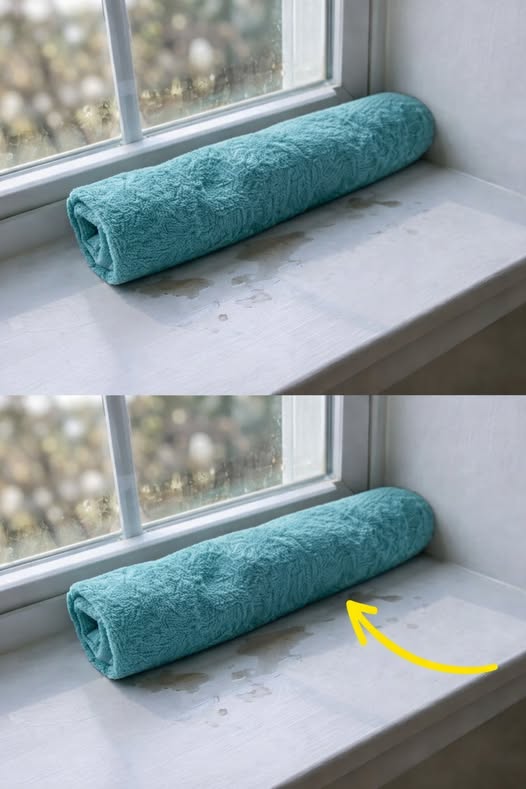
One effective method focuses on the airflow in your room. Hanging a lightly damp towel near an open window can help create a subtle cooling effect. As air moves through the fabric, moisture slowly evaporates, which can make the incoming air feel fresher and slightly cooler. Although the change in temperature may be small, it can noticeably improve how the room feels, especially in still or humid conditions.
Another approach targets the body directly. Cooling key areas such as the head and neck can help signal the body to relax. Placing a pillowcase in the refrigerator for a short time before bedtime can provide a refreshing sensation that helps ease the transition into sleep. Even brief exposure to a cooler surface can make it easier for the body to settle and unwind.
Combining these simple strategies—improving air circulation and cooling the body—can make warm nights more manageable. Small adjustments like these support the body’s natural process of lowering its temperature before sleep. With consistency, they can help create a more comfortable environment that encourages deeper and more uninterrupted rest.