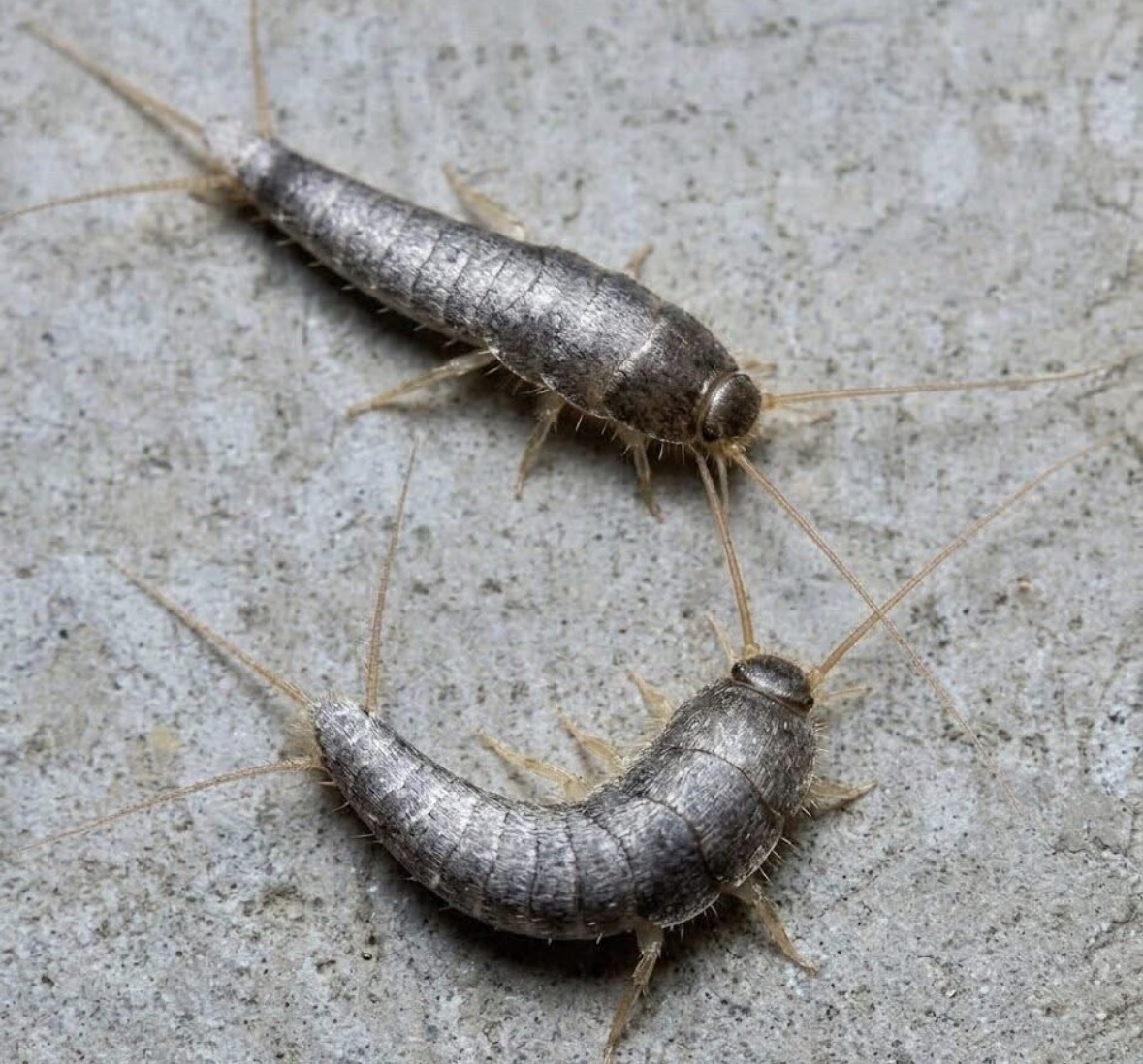
Silverfish are small, wingless insects recognized by their silvery color and quick, darting movement. Although their appearance may be unsettling, they are not harmful to people—they do not bite or spread disease. However, they can become a nuisance indoors, especially in areas where moisture and low light are common. Understanding their habits is the first step toward keeping them under control.
These insects tend to thrive in damp, poorly ventilated spaces such as bathrooms, basements, kitchens, and storage areas. They are mostly active at night, hiding during the day in small cracks, behind furniture, or inside cabinets. Their diet includes materials rich in starch and sugar, such as paper, cardboard, fabrics, and even small food particles. Because of this, many everyday household items can unintentionally provide a suitable environment for them.
While they do not pose direct health risks, silverfish can gradually damage belongings. Books, documents, wallpaper, and certain fabrics may show signs of wear if these insects are present over time. Early signs of activity can include small holes in paper or textiles, faint stains, or the occasional sighting when lights are turned on at night. Identifying these signs early can make it easier to manage the situation before it becomes more widespread.
Reducing their presence involves creating a less favorable environment. Lowering humidity through proper ventilation, using dehumidifiers, and fixing leaks can make a significant difference. Keeping spaces clean, storing items in sealed containers, and minimizing clutter help remove both food sources and hiding spots. With consistent habits and regular maintenance, it is possible to prevent silverfish from settling in and maintain a more comfortable living space.