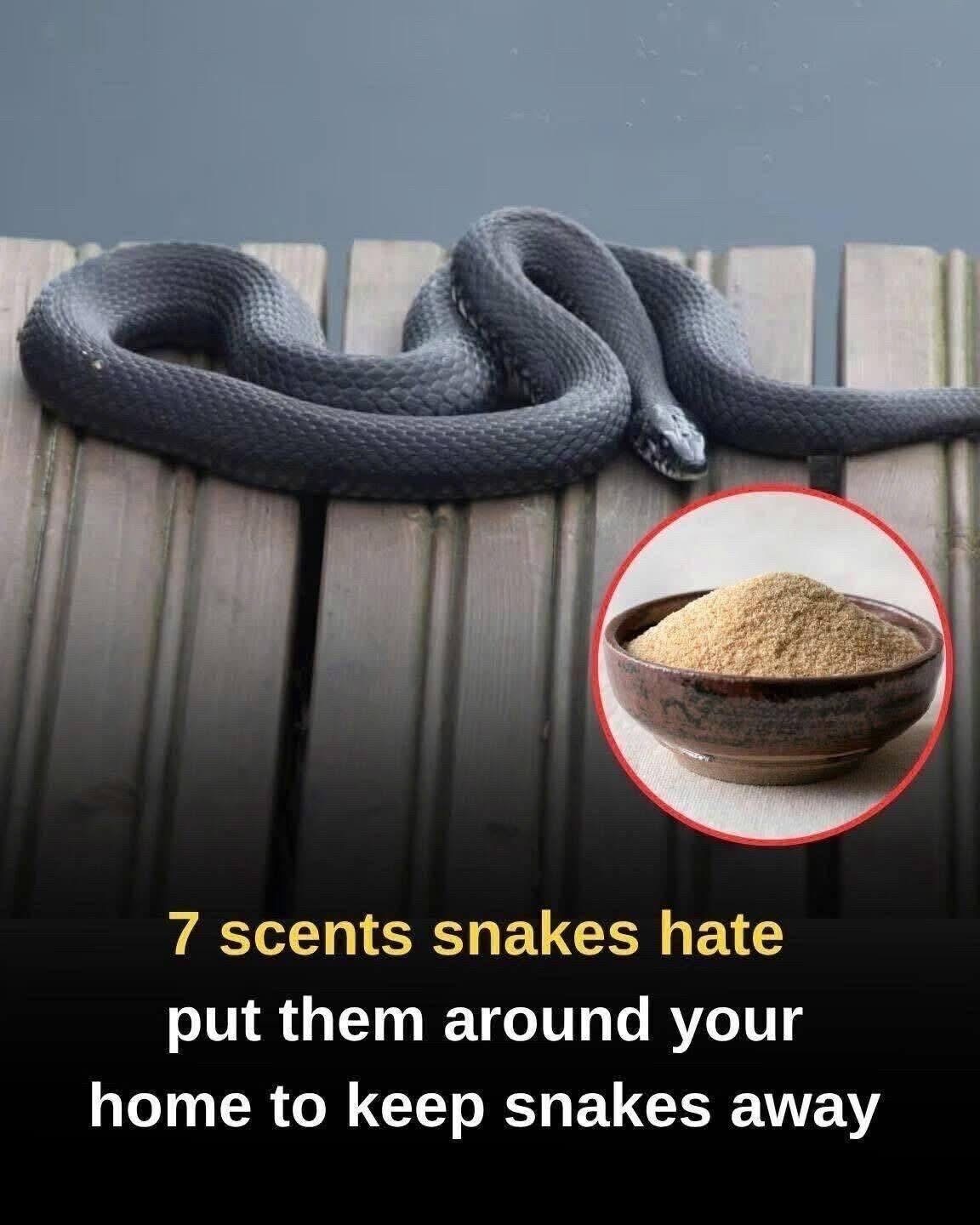
Snakes often inspire unease when they appear near homes, even though they contribute positively to the environment by helping manage rodent and insect populations. For homeowners, the goal is usually not harm, but prevention—keeping these reptiles away from living spaces in a safe and respectful way. One commonly discussed approach involves scent-based deterrents, as snakes rely heavily on chemical signals from their surroundings rather than strong vision or hearing. By introducing certain odors, it may be possible to make specific areas less inviting.
Among the frequently mentioned options is ammonia, known for its intense and penetrating smell. When used outdoors in controlled amounts—such as placing ammonia-soaked cloths near sheds, gaps, or entry points—it can create an environment that snakes tend to avoid. However, its effects are short-lived due to quick evaporation, and caution is essential. Because ammonia can be irritating to humans and animals, it should always be handled carefully, kept out of reach of children and pets, and never used in enclosed indoor areas.
Plant-based alternatives are often preferred for a more natural approach. Essential oils like cinnamon and clove are popular because of their strong aromatic compounds, which can disrupt a snake’s sensory perception. When diluted with water and applied along foundations, pathways, or garden edges, they may act as a temporary barrier. Similarly, crushed garlic and onions release sulfur-rich odors that can make certain spots less appealing. Some homeowners also choose to plant marigolds, which help reduce insect activity and, indirectly, the presence of small animals that snakes may seek as food.
While these scent-based methods can support short-term prevention, they work best when paired with practical maintenance measures. Keeping grass trimmed, sealing small openings, removing debris piles, and limiting rodent activity are key steps in creating a less attractive environment for snakes. Natural deterrents can play a supportive role, but consistent yard care remains the most reliable strategy for minimizing unexpected encounters while maintaining a balanced and respectful approach to local wildlife.