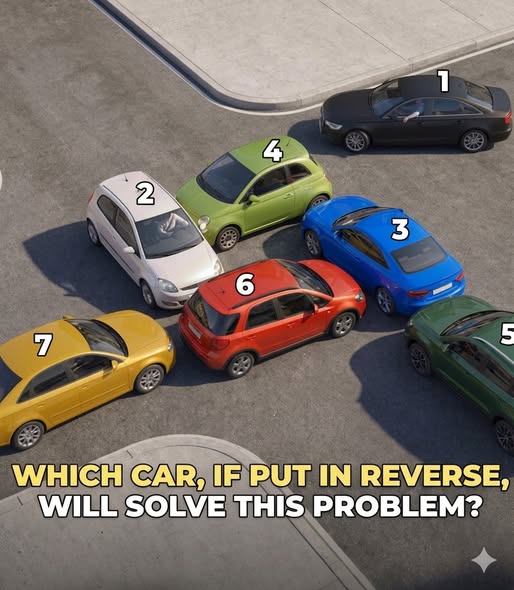
Traffic-style puzzles, especially those involving blocked cars, often appear simple at first glance but quickly reveal a deeper level of complexity. These challenges rely on both logic and spatial awareness, requiring you to identify the right starting point rather than making random moves. The key is not to focus on what seems most stuck, but to find the one piece that can initiate progress.
A practical way to approach this type of puzzle is to look for the vehicle with even the slightest freedom to move. In many cases, one car—often overlooked—has just enough space to shift position. That small movement, while seemingly insignificant, can create the first opening in an otherwise tight layout. Cars that appear central or heavily blocked may not be useful initially, as they lack the flexibility to create meaningful change.
Once that first move is made, the situation begins to evolve. The initial shift opens space for other vehicles, allowing them to reposition and gradually reduce the congestion. Each move builds on the previous one, forming a sequence that leads toward a clear path. This step-by-step process demonstrates how thoughtful actions can transform a complex problem into a manageable solution.
These puzzles also highlight an important habit in problem-solving: we often focus on the most obvious obstacles instead of the available opportunities. By training yourself to spot small openings and act strategically, you improve both your patience and analytical thinking. In the end, success comes not from rushing, but from recognizing where movement is possible and using it wisely.