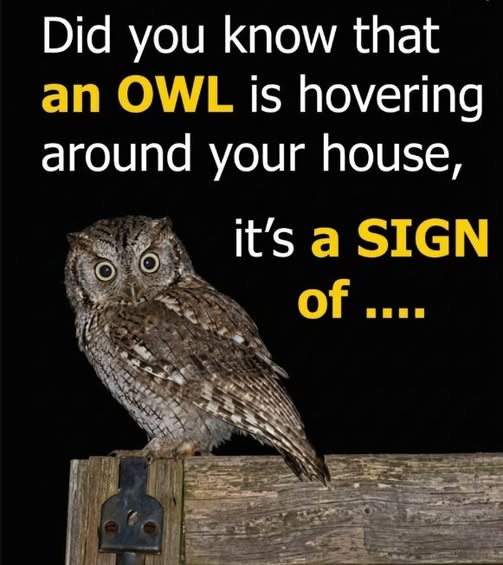
On calm evenings, when everything seems still, owls move through the darkness with remarkable ease. These nocturnal birds, part of the Strigiformes order, are known for their quiet flight and sharp awareness of their surroundings. Their specially adapted feathers reduce sound, allowing them to glide almost unnoticed, while their large eyes and sensitive hearing help them navigate low-light environments. This combination gives owls an almost hidden presence, often sensed before they are seen.
From a biological perspective, owls are highly skilled hunters. Many species have uniquely positioned ears that allow them to detect sound from different directions with great precision. This ability helps them locate prey even when it is concealed beneath vegetation or snow. Along with their strong night vision, these traits make them efficient and adaptable predators. Owls can thrive in a variety of habitats, from forests and open landscapes to areas near human activity, adjusting their behavior to available resources.
Beyond their physical abilities, owls have long held symbolic meaning in different cultures. They are often associated with awareness, reflection, and quiet observation. In some traditions, they represent knowledge and insight, while in others they are linked to mystery or transformation. Their nighttime activity and calm demeanor have contributed to these interpretations, making them a subject of fascination across generations.
Despite these symbolic associations, owls are guided by natural instincts shaped by survival. Their camouflaged feathers help them remain hidden during the day, while their nighttime habits allow them to hunt effectively. Observing an owl—whether in flight or perched in silence—offers a glimpse into the balance of nature, where skill, adaptation, and environment come together in a quiet but powerful way.