Body art has long served as a visual language, allowing individuals to communicate identity, beliefs, and personal stories without words. Across cultures, tattoos and markings can carry vastly different meanings—what feels symbolic in one tradition may appear purely decorative in another. Understanding these differences begins with recognizing that appearance has always been a powerful tool for expression, and tattoos remain one of the most enduring forms of that expression today.
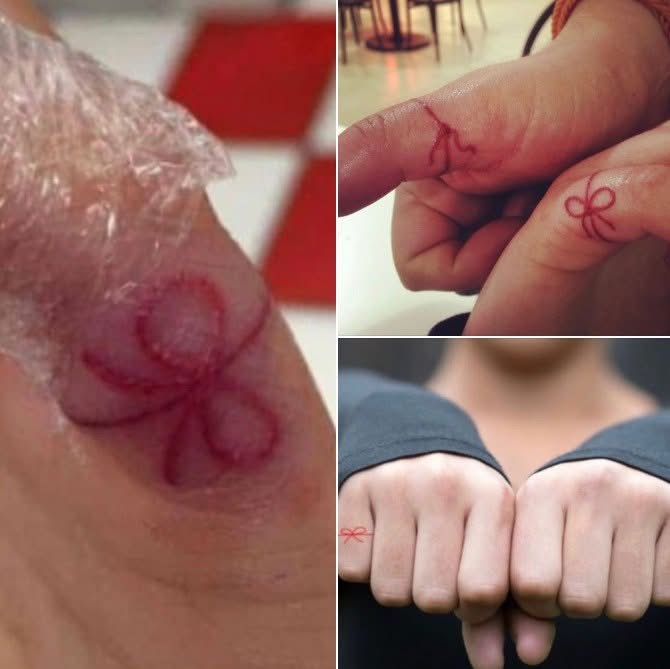
To better appreciate a specific design, it helps to look beyond its surface appeal. While many people choose tattoos for style or trend, others are drawn to symbols with deeper cultural or emotional resonance. One example that often sparks curiosity is the small red string tattoo. Its minimalist design may seem simple at first glance, yet its repeated appearance across different individuals suggests a shared story or meaning worth exploring.
Looking into its origins reveals a fascinating narrative. Commonly associated with the idea of the “red string of fate,” this symbol appears in various Asian traditions and represents an invisible connection between people destined to meet. The thread is believed to bind individuals together regardless of distance, time, or circumstance. In some interpretations, it is illustrated as a delicate red line tied like a small bow, often placed on the thumb or pinky finger, symbolizing a meaningful bond that cannot be broken.
For those considering or simply admiring this design, the takeaway is both simple and meaningful: symbols can carry layers of interpretation. Some individuals wear the red string tattoo as a reflection of personal belief or cultural appreciation, while others are drawn to its understated aesthetic. In either case, it continues to invite conversation and curiosity—reminding us that even the smallest details can hold powerful stories.